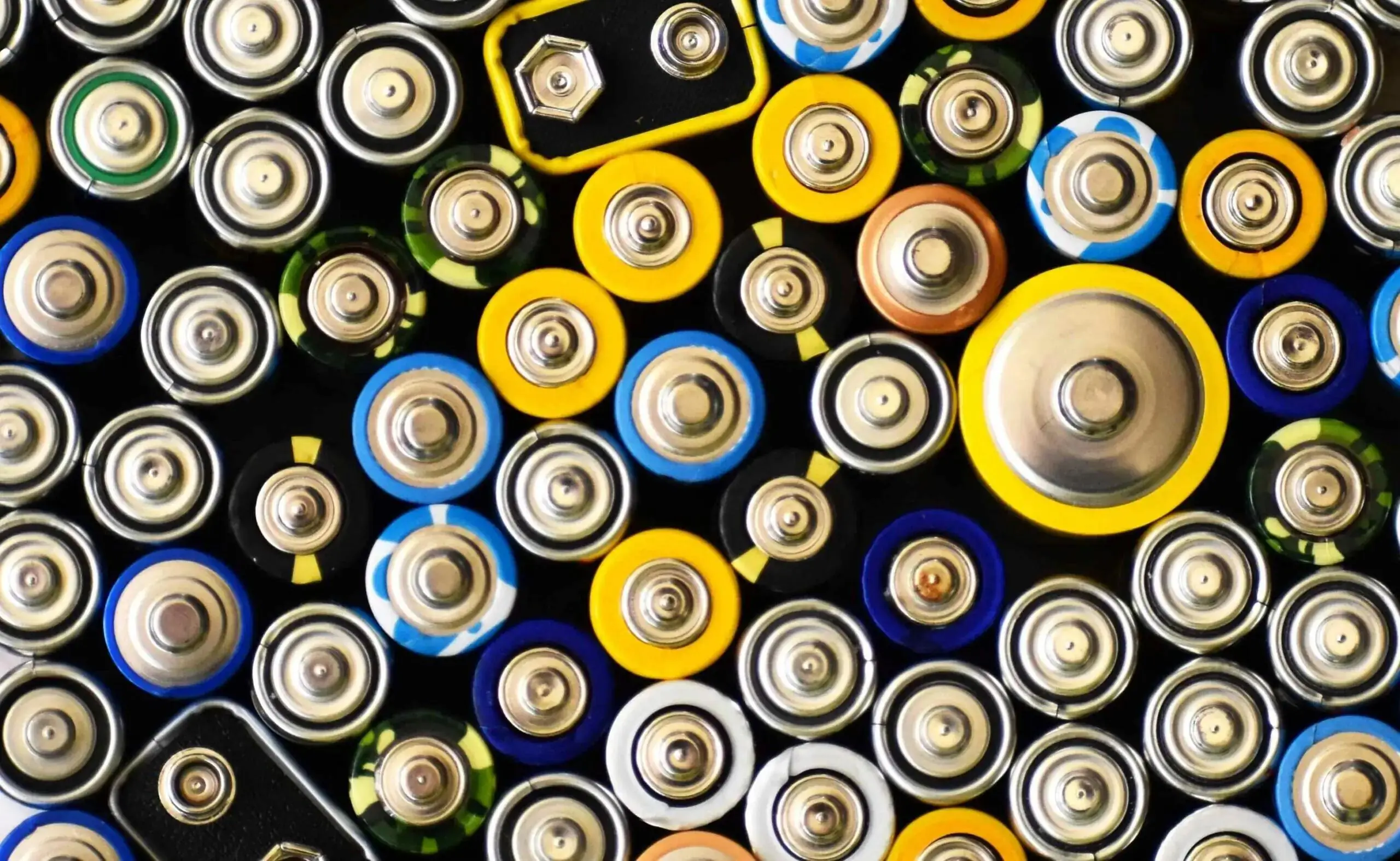
Battery operated equipment is widely used across industrial production, logistics, and mobility sectors, especially by battery manufacturers, cell producers, and new energy vehicle enterprises. When discussing safety and compliance, many customers ask whether battery operated equipment needs PAT testing. From our perspective, the answer depends on the application environment, the type of battery system, and the regulatory requirements of the target market. In many regions, PAT testing focuses on portable electrical appliances connected to mains power, while battery operated equipment may fall under different safety assessment frameworks. At MCM, we regularly help customers clarify how battery operated equipment should be evaluated within broader battery testing and certification processes, ensuring safety without unnecessary testing duplication.

Understanding Safety Responsibilities for Battery Equipment
When assessing whether battery operated equipment needs PAT testing, it is important to distinguish between workplace electrical safety checks and product compliance testing. In practice, battery operated equipment often requires structured battery testing during development and pre-shipment stages, rather than routine PAT inspection. We support customers by combining regulatory interpretation with practical battery testing solutions, helping them understand how battery testing aligns with transportation safety, market access, and operational use. Our laboratory infrastructure and technical teams focus on battery testing that addresses electrical performance, environmental durability, and transport safety, all of which are critical for battery operated equipment entering global markets.
Battery Testing Equipment and Certification Pathways
For manufacturers exporting battery operated equipment, the discussion goes beyond whether battery operated equipment needs PAT testing. It also includes requirements such as UN38.3 transport testing, CB certificate pathways, BIS certification for India, and MIC compliance for Vietnam. We operate dedicated battery testing equipment that supports product evaluation from research and development to shipment and market entry. Our teams work closely with customers to integrate battery testing equipment into certification strategies, ensuring that battery testing activities remain aligned with regional regulations. This approach reduces uncertainty for battery operated equipment used in industrial, automotive, and energy storage applications.
A Practical Compliance Approach with MCM
In conclusion, whether battery operated equipment needs PAT testing should be evaluated within a broader compliance framework rather than as a standalone question. We believe that clear regulatory interpretation, structured battery testing, and appropriate use of battery testing equipment are more relevant for long-term compliance and safety management. As an independent third-party organization, MCM focuses exclusively on battery products and operates under ISO/IEC 17025 and ISO/IEC 17020 systems, with recognized accreditations and information security management in place. Through our global cooperation network, we help battery manufacturers, cell producers, and new energy vehicle companies establish compliant and reliable testing pathways for battery operated equipment in international markets.