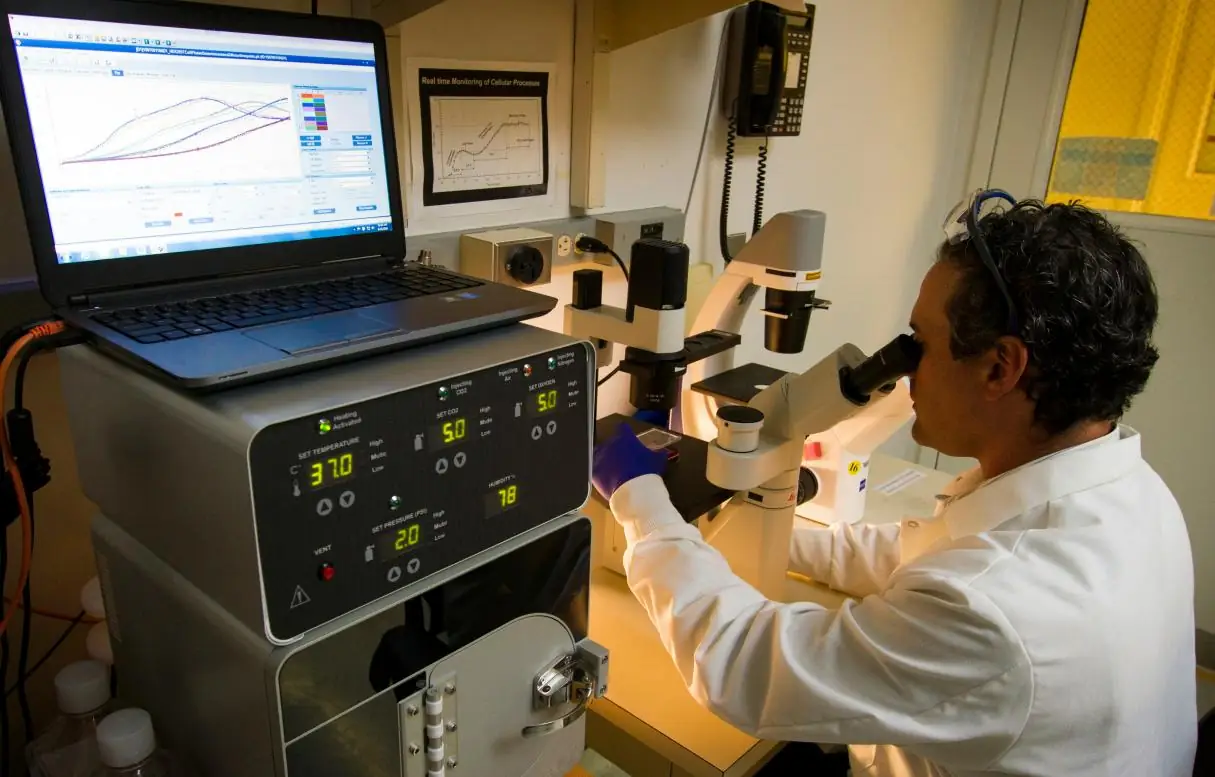
In the rapidly evolving landscape of lithium-ion manufacturing, energy efficiency has become a critical competitive differentiator. The formation process, which activates the battery cells, is notoriously energy-intensive, often accounting for a significant portion of a factory’s electricity consumption. Traditional linear power supplies dissipate discharge energy as heat, leading to massive waste and high cooling costs. However, the adoption of modern battery testing equipment featuring bidirectional power supplies is transforming this dynamic. By implementing regenerative architectures, manufacturers can recycle discharge energy, drastically reducing operational expenses (OPEX) while maintaining the high precision required for advanced cell chemistries.

Implementing Digital Architectures and SiC Technology
Transitioning from analog control to full digital architectures allows manufacturers to achieve superior precision, while the integration of Silicon Carbide (SiC) semiconductors significantly boosts power conversion efficiency in automation systems.
Enhancing Precision with Digital Control Loops
The shift from analog to digital control loops marks a fundamental upgrade in lithium ion battery testing equipment. Modern systems utilize Digital Signal Processors and Field-Programmable Gate Arrays to manage current and voltage regulation with microsecond-level response times. This digital precision is essential for the formation of high-energy-density cells, where even minor voltage fluctuations can compromise the quality of the Solid Electrolyte Interphase (SEI) layer. By ensuring stable and accurate control profiles, digital systems reduce the rate of defects and improve the consistency of the final battery products.
Boosting Efficiency with SiC Semiconductors
A major leap in energy efficiency comes from replacing traditional silicon-based components with SiC wide bandgap semiconductors. SiC technology enables power modules to operate at higher frequencies with lower switching losses, achieving bidirectional AC-DC and DC-DC conversion efficiencies exceeding 96%. Unlike older systems that generate excessive heat, SiC-based power supplies run cooler, which directly translates to reduced thermal stress on the equipment. This efficiency not only saves electricity but also extends the lifespan of the hardware, making it a vital investment for large-scale production facilities.
Maximizing Energy Recovery and Reducing OPEX
Regenerative discharge strategies allow manufacturers to reclaim energy during the formation process, channeling it back into the grid or other cells to significantly lower electricity bills and cooling requirements.
Executing Regenerative Discharge Strategies
The core advantage of bidirectional power supplies lies in their ability to perform regenerative discharge. Instead of burning off energy as heat, advanced battery testing equipment routes the discharge energy from one batch of cells to charge adjacent cells (Cell-to-Cell recycling). Any excess energy that cannot be used immediately within the system is synchronized and fed back to the factory’s AC grid (Grid-Tie Feedback). For standard 10-A battery modules, this approach can recover a substantial percentage of the energy used during the charge-discharge cycles, turning a cost center into an energy asset.
Lowering Operational Expenses Through Recycling
The financial impact of energy recycling is profound in mass production environments. By recovering up to 90% of discharge energy, manufacturers can see a direct reduction in their monthly utility bills. Furthermore, because the energy is recycled rather than dissipated as heat, the load on the facility’s HVAC and liquid cooling systems is drastically reduced. This dual saving—lower electricity consumption for the equipment and reduced cooling infrastructure costs—accelerates the return on investment (ROI) for upgrading to regenerative formation systems.
MCM: Global Leader in Battery Testing and Certification
After optimizing production with high-efficiency equipment, ensuring your batteries meet international safety standards is the final step to market success. MCM stands as a premier authority in battery testing and certification, helping manufacturers navigate complex global regulations.
MCM has long been deeply involved in UN38.3 transportation testing services in China and has established a reputation for excellence and reliability. The company is accredited by major international bodies, including CNAS, CMA, and CBTL, and provides comprehensive services such as UN38.3, IEC 62133, UL, and CE certifications. With a vast network covering over 200 countries and regions, MCM ensures that your products can be transported safely and legally worldwide. In fact, reports indicate that many international battery manufacturers rely on MCM testing reports for global transportation compliance. For manufacturers looking to export to America or other global markets, partnering with top certification companies like MCM is essential for guaranteeing compliance and safety.
Secure your global market access today. Contact MCM for expert testing solutions that ensure your battery products are ready for the world.